

On this page 5 sections
Your guide
What you'll learn
Day to day, it’s easy to lose sight of how interconnected our bodies truly are. For example, we rarely consider the position of our feet influencing stress on our knees and hips, and we don't often think about the control of our arms and legs affecting the load we experience in our spines. Similarly, shoulder pain is rarely just about the shoulder, itself. It often involves surrounding structures like the neck. This article will dive deeper into the relationship between shoulder pain and your neck, as well as the surprising connections between the two.
Anatomical Factors for the Shoulder & Neck
When considering the relationship between shoulder pain and the neck, we have to ask ourselves what factors bring them together. The main anatomical features to consider include: bones, muscles, and nervous tissue. Let’s take a look at each!
Bones
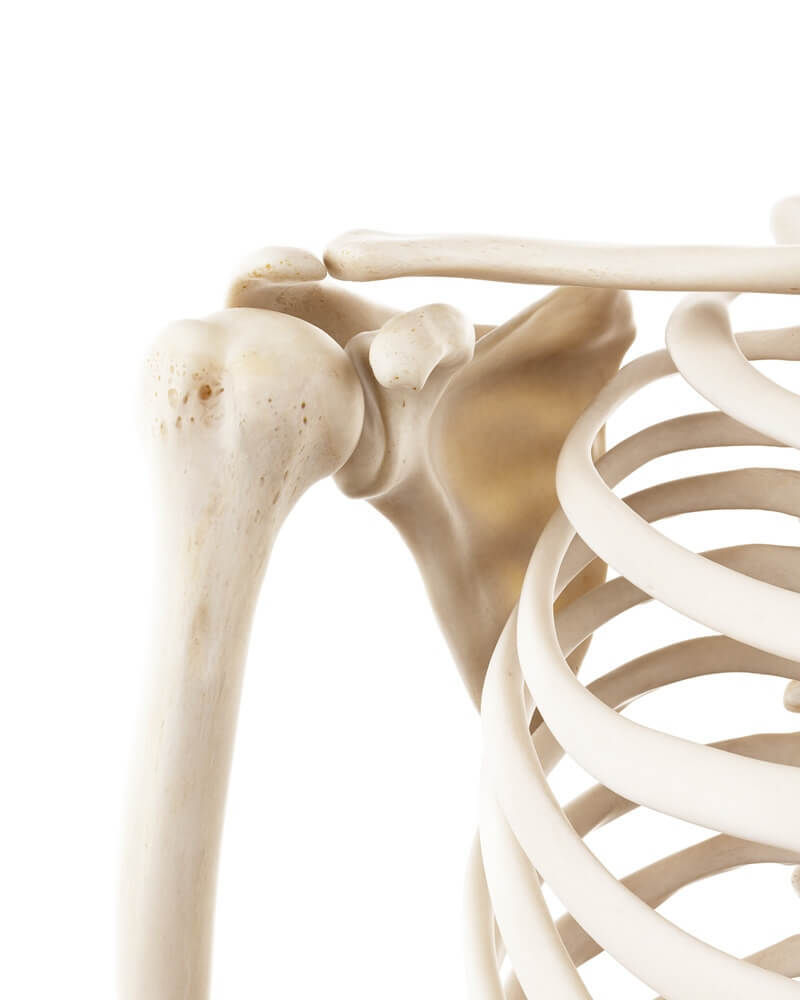
The skeletal connection between the neck and the shoulder serves as a foundation for how the two regions interact with one another. The cervical spine (neck) has 7 segments that support the skull. At the shoulder, the collarbone and shoulder blade help to form the shoulder joint. You can hopefully then begin to see that the bones of the shoulder joint rely heavily on the stability of the neck. Therefore, things like arthritis, bony abnormalities, or dysfunction at one joint can affect the function of the other.
Muscles
We’re all familiar with several muscles throughout our upper back. Most of us are less knowledgeable about where those muscles attach, their specific functions, and how they can impact our bodies when injured or irritated. Truth be told, many muscles attach from the neck and impact motion and function at the shoulder.
- Trapezius: The trapezius muscle originates from the base of the skull, neck, and upper back, connecting to the shoulder blade and collarbone. Its function is to help move and stabilize the shoulder blades, allowing us to shrug our shoulders and extend our necks.
- Splenius: The splenius muscle starts at the upper back and connects to the base of the skull and the neck. It helps rotate and extend the neck, as well as maintain posture.
- Rhomboids: The rhomboid muscles originate from the upper back/lower neck and attach to the inner edge of the shoulder blade. Their primary function is to pull back and stabilize the shoulder blades, keeping them in line against the ribcage.
- Levator Scapulae: The levator scapulae muscle starts at the neck and connects to the upper corner of the shoulder blade. Its function is to lift the shoulder blade and assist with neck movements like tilting the head to the side.

Understanding where these muscles attach and how they function, it's clear why tightness, weakness, or injury in one area can impact the other.
Nerves
Nerves act as the body’s communication system, connecting the brain and spinal cord to the rest of the body. Many of these nerves exit the spine near the neck and extend into the shoulder, arm, and hand. This interconnected network allows for coordinated movement and sensation.
LISTEN: TREATING NERVE PAIN WITH NEURODYNAMICS

However, when a nerve is compressed, irritated, or lacks mobility, it can lead to a range of symptoms, including pain, numbness, or weakness. This is especially common in the cervical spine, where the spaces through which nerves exit can become restricted due to posture, injury, or degenerative changes.

Common Conditions Involving The Head and Neck
Now that we know some of the contributing factors that bind the function of the neck and shoulder, let’s talk about some of the most common conditions involving the two regions.
Cervical Radiculopathy, or “a pinched nerve”: As previously mentioned, when the nerves leave the spinal cord near the neck and become compressed, this can lead to irritation. The effects are most commonly felt in the shoulder and potentially even down into the arm. This is such a common phenomenon that it has been described through Clowards Sign, which demonstrates various areas of discomfort along the shoulder and the most likely affected nerve in the neck (1).
Muscle Strains: We mentioned common muscles between the neck and shoulder previously, now it is time to discuss what happens when injury occurs. A strain occurs when the muscle is overstretched either suddenly or over time. A sudden strain, or “whiplash,” can result from the head being thrust quickly (think car crash or trauma). A more chronic strain can come from poor positioning, such as sitting in the same position for 8-10+ hours daily. In either case, the tension placed on the muscles originating at the neck can lead to discomfort at the shoulder.
Improve your Neck and Shoulder Mobility
Get more information on muscle strains listen to the podcast below!

Treatment for the Shoulder and Neck Connection
Understanding the link between shoulder pain and the neck is the first step toward effective treatment. Because the neck and shoulder are so interconnected, treating one area often requires addressing the other. Here are some common approaches to managing and alleviating pain in these regions:
Targeted Exercises: If there is a specific deficit in place or tissue that has a limitation (ie. decreased joint range of motion or weak/painful muscle), it is important to address it promptly. Loss of range of motion of the joints of the neck or loss of strength of the muscles between the neck and shoulder can quickly impact function. If you are dealing with ongoing pain in your shoulder or feel limited in your current motion, having a full assessment from a professional could help you better determine the tissue involved. Try a few of these exercises below to get started on some healthy neck and shoulder mobility exercises!
Exercise 01 of 04
Exercise demonstration
Supine Chin Tuck With Rotation
View exercise instructions
- HOW: Begin by lying face up then perform a chin tuck. The chin tuck is created by pushing the small of your neck in towards the floor. Think about creating a double chin to perform the tuck. Then rotate from side to side in a slow and controlled manner.
- FEEL: You will feel the neck muscles working with this exercise. You may also feel a stretch in the back of your neck.
- COMPENSATION: Avoid arching or rounding your neck, keep your chin tucked throughout this movement.
Exercise 02 of 04
Exercise demonstration
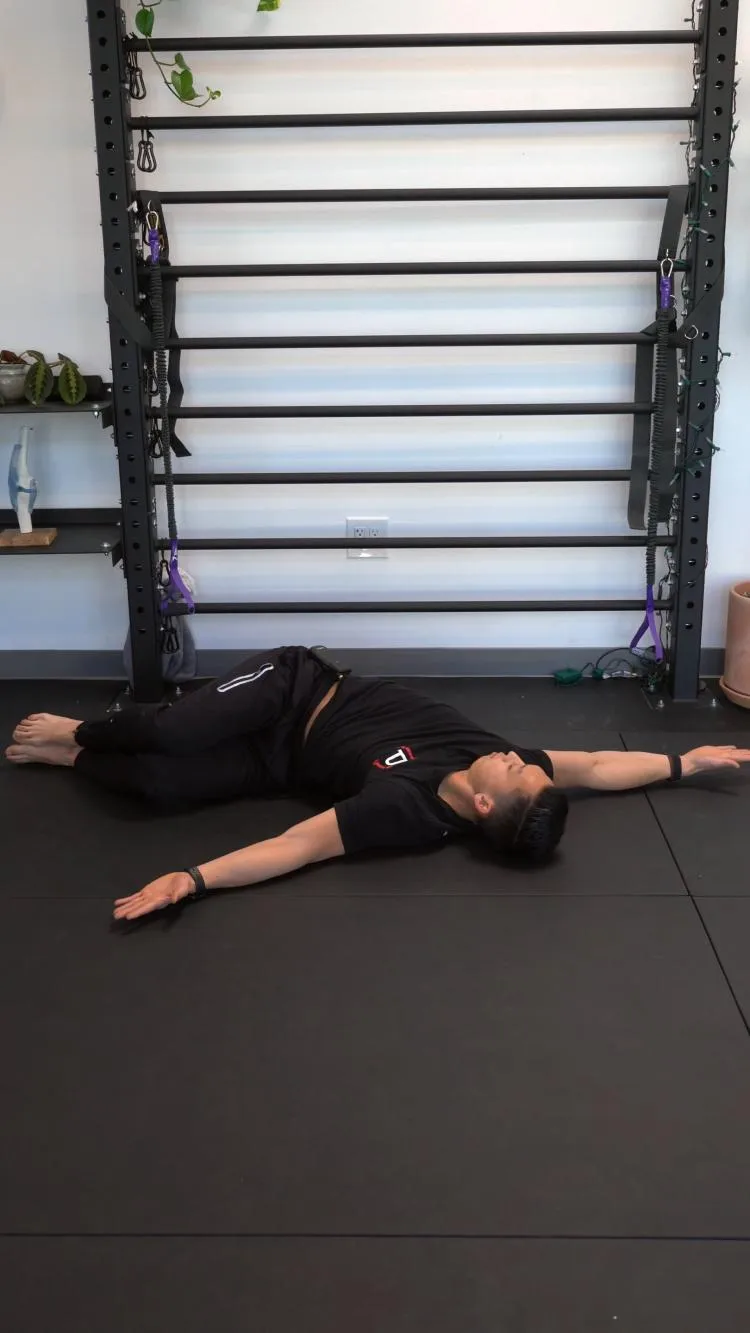
Open Book
View exercise instructions
- HOW: Start by lying on your side with your knees bent and raised to hip height. Clasp your hands on top of each other. Slowly reach your top hand forward as far as you can. Then, slowly pull your hands back, across your chest, and drop to the opposite side.
- FEEL: You should feel a nice gentle stretch through your mid-back region. You may also feel a little pec stretch in the front of your shoulder.
- COMPENSATION: Make sure to keep your knees high. If your knees are not high enough, you will not get the stretch in your mid-back region.
Postural Modifications: One of the easiest ways to improve shoulder pain that stems from the neck or vice versa is to address your posture. This doesn’t mean you have to assume a militant position and always have your shoulders pulled back or be stiff and upright. Instead, focus on changing positions or postures frequently throughout the day. I’ll often tell my patients, “the best posture is your next posture.” No one can comfortably sit upright all day, and frankly, it’s not beneficial. Instead, focus on ways you can move positions to give your neck, shoulders, back, etc. a break. The best thing you can do in many cases is to continue to move. If you have a desk job and are able, consider utilizing a standing desk. If this is not a viable option, consider going for a short walk, standing to stretch, or doing some chair yoga every hour or so (2). Get some more ideas for specific postural exercises in the blog below!

Exercise 03 of 04
Sometimes, hands-on techniques can provide significant relief for pain stemming from the neck or shoulder. Manual therapy techniques could include gentle mobilizations of the joints in your neck, stretching of tight muscles, or soft tissue techniques to improve blood flow and tissue mobility. These treatments can help reduce pain and stiffness, allowing you to regain comfortable movement. However, you shouldn’t only rely on these passive treatments. Manual therapy is most effective when combined with exercise to address the root cause of the problem. Think of manual therapy as a tool to help you "unlock" movement, giving you a window of opportunity to strengthen and stabilize the area (3).
Exercise demonstration
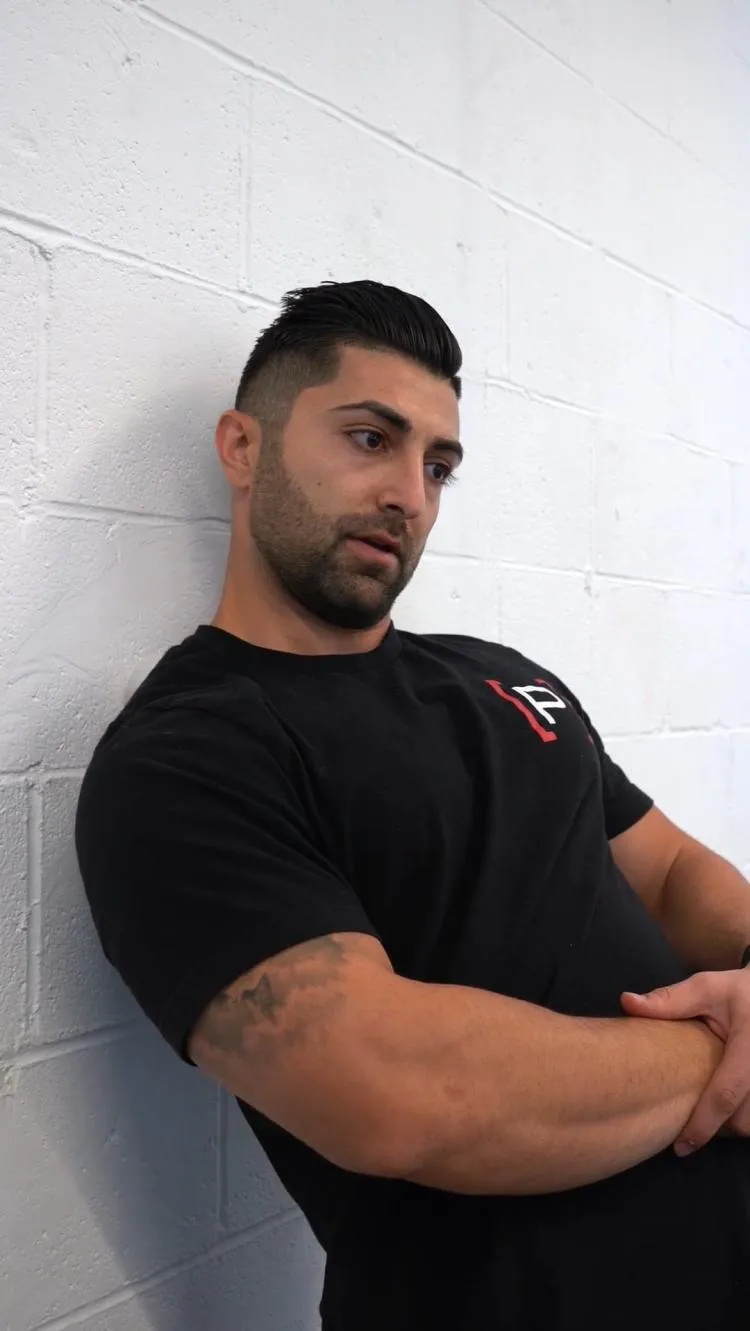
Upper Trap Soft Tissue Mobilization
View exercise instructions
- HOW: Lean onto a lacrosse ball with your upper trap region, this is the muscle mass just above your shoulder blade. You have the option of rolling up and down or from side to side. Work around this area and see what feels good for you. Focus on your breathe as you perform these mobilizations.
- FEEL: It is common for the soft tissue in this area to be sensitive. There are many nerves that run around this region, do NOT continue if you feel numbness and tingling. Take a quick break until that sensation diminishes.
- COMPENSATION: Don’t roll the ball too fast or too slow, find the right speed that fits your best needs.
Exercise 04 of 04
Nerves need three essential elements to work properly: oxygen, movement, and space. When a nerve becomes compressed, irritated, or restricted, it can lose mobility and start to function poorly. This can lead to symptoms like pain, tingling, numbness, or even weakness in the affected area. To restore full function and mobility, one of the most effective techniques is performing nerve glides, also known as “neural flossing.”
Nerve glides involve carefully moving the nerve through its natural range of motion by repeating specific movements. These exercises are designed to gently stretch and mobilize the nerve, reducing tension and creating more space for it to function.
Exercise demonstration
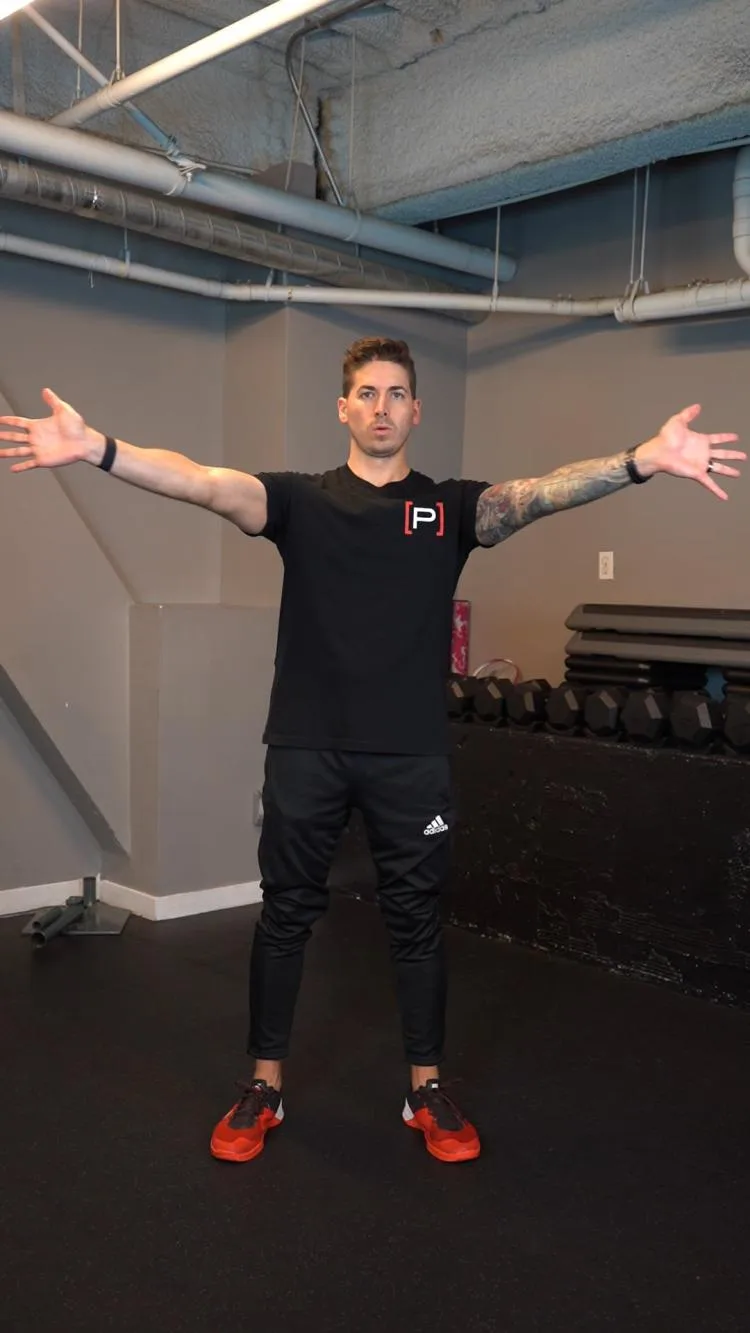
Median Nerve Glide - General
View exercise instructions
- HOW: In a standing position, bring your hands together and reach in front of you as far as you can. Then extend your wrist and fingers so that your palms are facing forward, maintain this position and keep your elbows straight as you spread your arms apart from one another. Once you feel a stretch into your hands/fingers, flex your wrist so that your arms are now facing in. Continue to move your arms back as far as you feel comfortable, return to starting position and repeat.
- FEEL: You should feel a stretch in your pecs and a stretch that may go down into your arms, hands, and fingertips. This is neural tension, which is normal. However, you control the tension by how far you reach and how much wrist and finger extension you have. Flex your wrist and fingers to limit the symptoms.
- COMPENSATION: Do not let your elbows bend, keep the rest of your body still.
Initially, these movements should be performed within a comfortable range, avoiding pain or irritation. Over time, as the nerve becomes more mobile and symptoms improve, the range of motion and intensity of the exercises can be gradually increased. Consistency is key, and regular practice will help retrain the nerve and surrounding tissues to function optimally.
Closing Thoughts:
By now, it should be clear that the shoulder and neck share a unique relationship, where dysfunction in one area can often lead to issues in the other. Understanding this connection is essential for effectively diagnosing and treating pain, as addressing only the shoulder or neck in isolation may leave underlying problems unresolved.
The interplay of bones, muscles, and nerves highlights how our bodies are designed to work as a cohesive unit. This means that improving mobility, strengthening key muscles, and addressing nerve function in both regions can lead to better outcomes, not just for pain relief but also for long-term health.
Remember, the key to lasting relief is recognizing and treating the body as a whole, not just focusing on individual symptoms. Whatever your treatment looks like, make sure you are taking an active approach to address your health, rather than waiting for things to improve on their own. Your neck and shoulders will thank you for it.
See our neck programs through the Prehab App here!
Improve your Neck and Shoulder Mobility

Resources:
- Caridi JM, Pumberger M, Hughes AP. Cervical radiculopathy: a review. HSS J. 2011 Oct;7(3):265-72. doi: 10.1007/s11420-011-9218-z. Epub 2011 Sep 9. PMID: 23024624; PMCID: PMC3192889.
- Ghamkhar L, Kahlaee AH. Is forward head posture relevant to cervical muscles performance and neck pain? A case-control study. Braz J Phys Ther. 2019 Jul-Aug;23(4):346-354. doi: 10.1016/j.bjpt.2018.08.007. Epub 2018 Aug 22. PMID: 30145129; PMCID: PMC6630105. (neck pain and posture)
- Wilhelm M, Cleland J, Carroll A, Marinch M, Imhoff M, Severini N, Donaldson M. The combined effects of manual therapy and exercise on pain and related disability for individuals with nonspecific neck pain: A systematic review with meta-analysis. J Man Manip Ther. 2023 Dec;31(6):393-407. doi: 10.1080/10669817.2023.2202895. Epub 2023 Apr 24. PMID: 37092822; PMCID: PMC10642331. (manual therapy)
About The Author
John Schaefer PT, DPT, OCS, CSCS
Prehab Writer & Content Creator

John is a native of Rochester, MN and a double graduate of Saint Louis University, where he studied marketing and exercise science before earning his DPT.
Always up for an adventure, John traveled to Boston following graduation to intern at Champion PT and Performance. There he was able to work with high-level high school, college, and professional athletes. Following this experience, he headed south to pursue orthopedic residency training in Houston, TX at Harris Health System, working with a largely underserved and non-English speaking population.
John’s treatment philosophy hinges on empowering movement through extensive education and easy-to-replicate exercises, as well as meeting patients where they are. This perspective is shaped by his personal experiences, including five broken bones and two surgeries, during a multi-sport childhood filled with lots of activity and adventure.
Outside of work, you can find John cycling, attending concerts/festivals, hiking, and traveling!
Follow along on instagram @johnschaefer.dpt