

On this page 5 sections
Your guide
What you'll learn
Low back pain has been the leading cause of global disability for the past three decades (1). Defined as “pain, muscle tension, or stiffness localized below the costal margin and above the inferior gluteal folds, with or without pain referred to the legs”, low back pain can be debilitating and limiting for many individuals.
Luckily, exercise continues to be the primary intervention in the management of low back pain. This includes programs specific to strength training, improving range of motion, and aerobic exercise. As physical therapists, exercise prescription is our bread and butter and often a combination of all the above is utilized when treating individuals with non-specific low back pain. So bring on the deadlifts, the planks, the bird dogs, and the pelvic floor exercises. Wait…PELVIC FLOOR EXERCISES? You bet’cha.
How exactly is the pelvic floor directly related to low back pain? You’re about to find out! Let’s discuss what the pelvic floor is, how this muscle group plays a role in nonspecific low back pain, and how YOU can target the pelvic floor through exercise.
What is the Pelvic Floor?
The pelvic floor is a group of muscles that sits within the pelvis. This muscle group originates at the front of the pelvic bone and attaches to the tailbone, creating a hammock-like structure to support the organs of urination, defecation, and sexual function.
The pelvic floor muscles play a crucial role in bladder function, intimacy, bowel movements, and even activities such as lifting, running, jumping, walking, and breathing. Yes, you heard that correctly. The pelvic floor works directly with the diaphragm to control changes in intra-abdominal pressure. And if that’s not enough, the pelvic floor muscles also work to stabilize the joints of the pelvis and low back. In coordination with the diaphragm, core muscles, and deep back stabilizers, the pelvic floor assists in providing stability to the lumbopelvic region.

Like any other muscle in the body, the pelvic floor muscles can become weak and tense, injured and strained, or lack neuromuscular control. As an integral contributor to lumbopelvic stability, addressing dysfunction within the pelvic floor muscles can assist in improving the overall structural integrity of the lumbopelvic region.

The Pelvic Floor and Low Back Pain
Let’s first do a brief dive into low back pain prior to discussing the relationship of the pelvic floor. Low back pain is often further categorized into two subcategories; acute low back pain or chronic/persistent low back pain.
- Acute low back pain: This discomfort may be related to a sudden event or occurrence, such as a traumatic fall or a lifting task or chore that produces the sudden onset of pain. Acute low back pain is often very resolvable. In fact, 90% of individuals who have experienced a new onset of acute low back pain have reported recovering fully with a return to prior level of function within 2-4 weeks (1).
READ: LOW BACK PAIN EXERCISES

- Chronic low back pain: For those individuals who experience low back pain beyond 12 weeks or experience two episodes of low back pain per year with discomfort lasting more than 24 hours, this is defined as chronic low back pain (1). There are many factors that contribute to chronic low back pain including physical, psychological, social, and genetic factors. However, for the purpose of this blog, we will focus on the physical contributors including the pelvic floor muscles.
READ: WHAT IS PAIN? PART 1 OF 3

As mentioned above, exercise continues to be a primary intervention when managing low back pain and aims to strengthen specific muscle groups, improve range of motion, address neuro co-coordination, or all of the above. While each case of low back pain is very individualized, assessment and treatment of the core, back, hips, and (you guessed it), pelvic floor muscles are often needed.
In a study that assessed the prevalence of pelvic floor dysfunction in women identified with chronic low back pain, it was determined that approximately 43% reported at least one pelvic floor dysfunction (2).
For a review of signs and symptoms of pelvic floor dysfunction, head over to our article below:
Safe Postpartum Exercises to Do!

While low back pain and pelvic floor dysfunction can be identified in anyone, those who are pregnant or postpartum may greatly benefit from targeted pelvic floor intervention if experiencing low back pain. During pregnancy, both the increased weight to the front of the body due to the growing baby and the natural core separation known as diastasis recti can lead to low back pain.
Additionally, both pregnancy and delivery can cause changes to the pelvic floor that may require attention during the postpartum period. A recent study looked at the benefit of performing pelvic floor muscle strengthening exercises in both a general and postpartum population experiencing low back pain. Both groups reported decreased pain intensity after implementation of pelvic floor-specific exercise (3).
LEARN MORE ABOUT OUR POSTPARTUM REHAB PROGRAM
Our 8-week Postpartum Rehab program is designed to improve your confidence in your pelvic floor, hips, core, low back, and provides you with the necessary education along the way! Please be sure that you have been cleared to begin activity by your OB-GYN prior to beginning our programming
Seems like a no-brainer, right? If muscle strengthening, lengthening, and improving range of motion are already included in the management of low back pain, addressing the pelvic floor muscles and recognizing their role in lumbopelvic stability makes a lot of sense.

So, How Do I Address the Pelvic Floor Muscles?
It should first be mentioned that physical therapists with specialty training in the pelvic floor are best suited to determine what pelvic floor exercises are right for you! As mentioned previously, the pelvic floor muscles can be treated like any other muscle group in the body. As a major lumbopelvic stabilizer, incorporating pelvic floor-specific exercises into a low back pain program can assist in reducing discomfort and improving function (4).
Are you curious as to where to start? Give these pelvic floor exercises a try and see how you do:
Exercise 01 of 03
Exercise demonstration
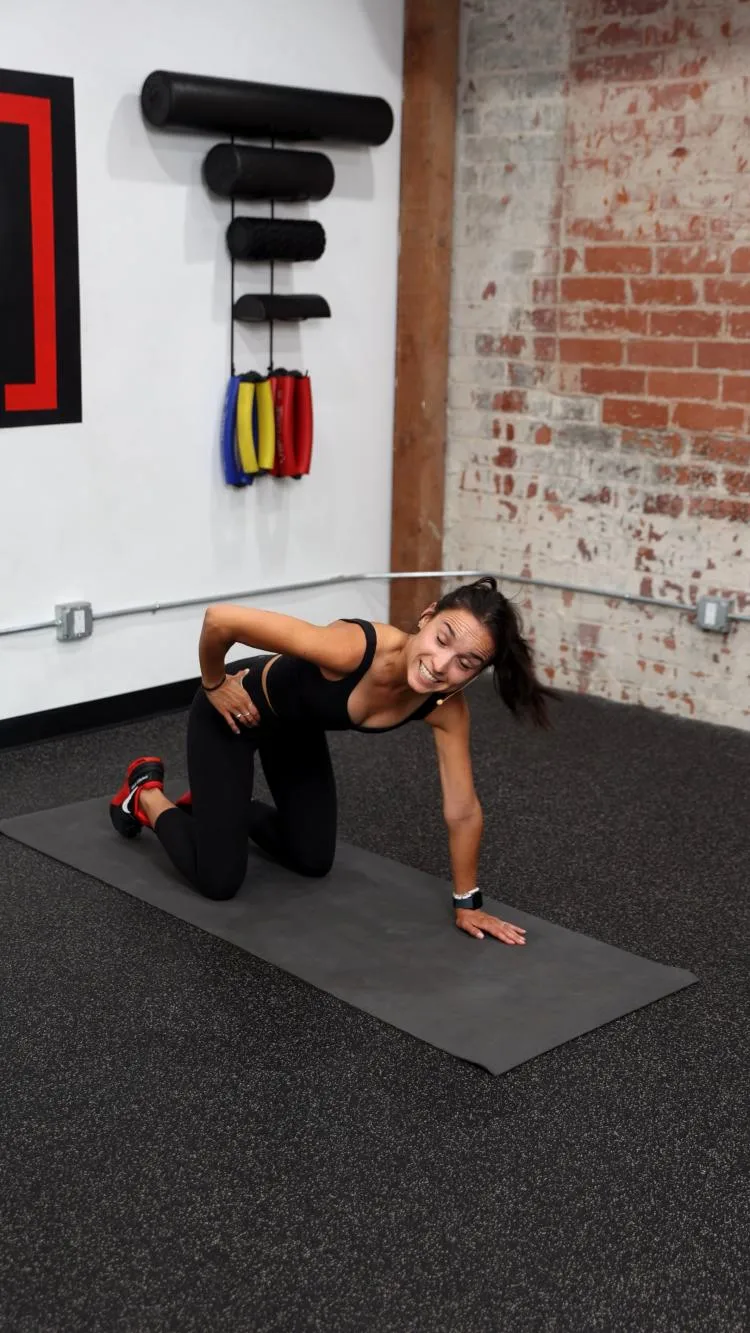
Bird Dog - Pelvic Floor Contraction
View exercise instructions
- HOW: Begin by positioning on hands and knees. As you breathe in, breathe into the belly and the area between the sits bones, letting the pelvic floor relax. Breathe out bringing the ribs down, contracting the pelvic floor as you lengthen the arm and opposite leg away from you. Return to the starting position.
- FEEL: You will feel your core, glutes, and shoulder blades working.
- COMPENSATION: Avoid arching the back. Avoid shifting or rotating the hips.
Exercise 02 of 03
Exercise demonstration
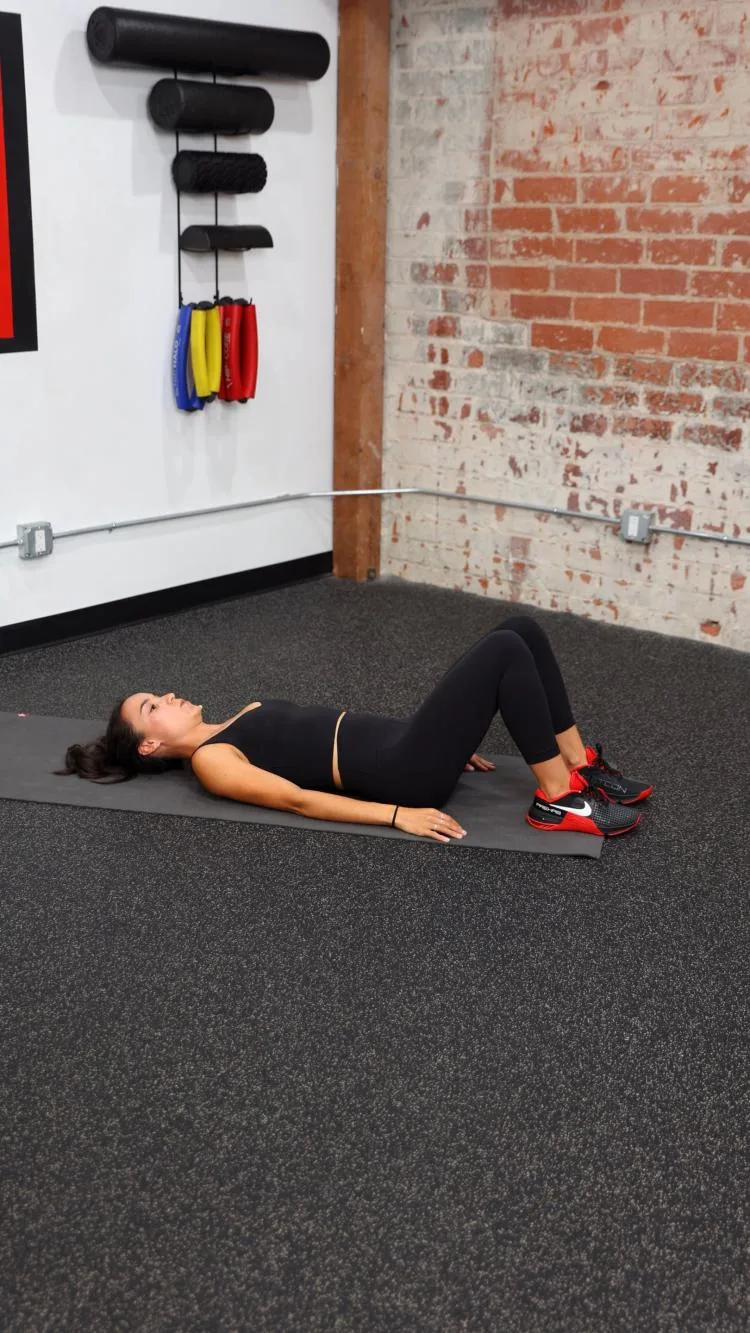
Bridge - Pelvic Floor Contraction
View exercise instructions
- HOW: Begin by lying on your back. As you breathe in, breathe into the belly and the area between the sits bones, letting the pelvic floor relax. Breathe out bringing the ribs down, contracting the pelvic floor as you lift the hips to the ceiling. Return to the starting position.
- FEEL: You will feel your glutes and hamstrings working. You will feel your core working.
- COMPENSATION: Avoid arching the back or flaring the ribs. Avoid shifting the hips side to side.
Exercise 03 of 03
Exercise demonstration
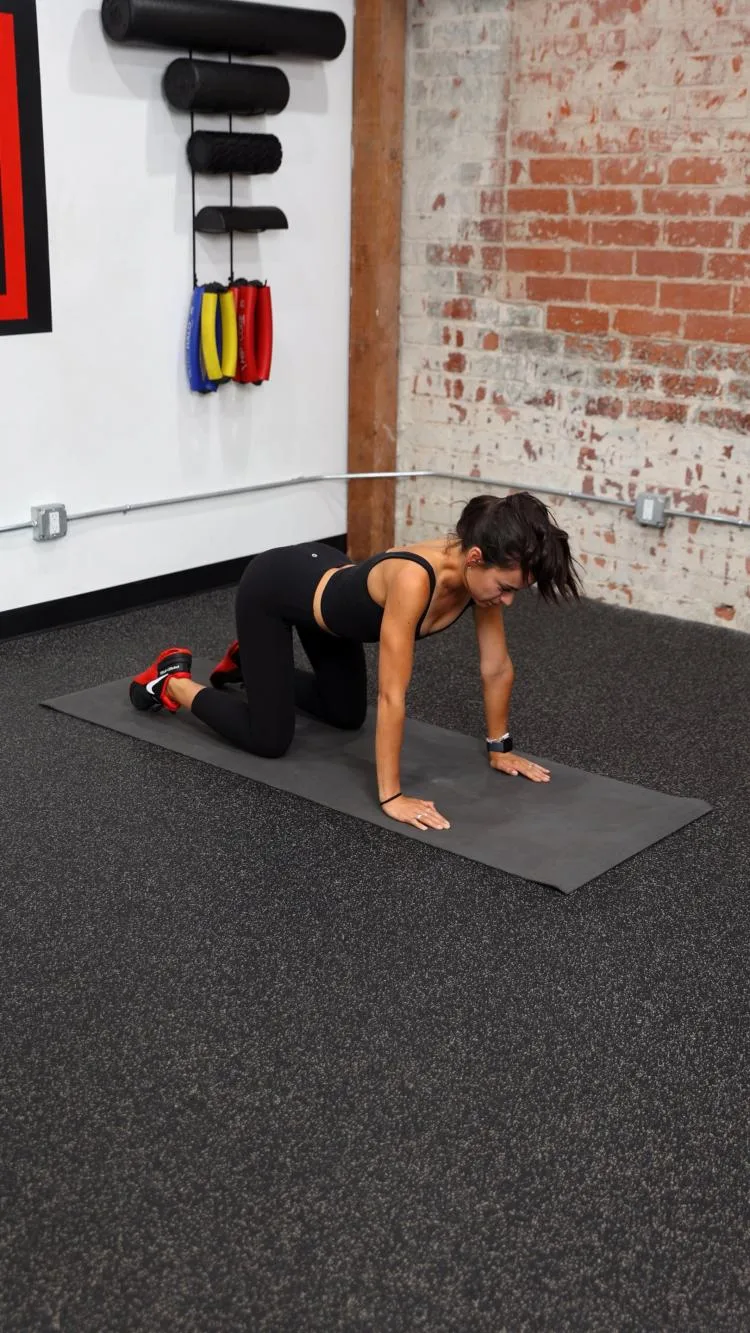
Cat Cow - Full Spine, Pelvic Floor Contract & Relax
View exercise instructions
- HOW: Begin in a hands and knees position. As you breathe in, breathe into the belly and the area between the sits bones, letting the pelvic floor relax. Let the belly sink towards the floor to arch the spine. Breathe out bringing the ribs down, contracting the pelvic floor as you get into the cat position. Bring the ribs towards the pelvis.
- FEEL: You will feel your core working.
- COMPENSATION: Avoid holding your breath.
Closing Thoughts
Low back pain can feel very limiting, debilitating, frustrating, and painful (of course) to the many individuals who experience it. While we know exercises specific to addressing limitations in range of motion, muscle strength, and neuromuscular co-coordination are beneficial in low back pain management, less known are the benefits of pelvic floor-specific exercise.
The pelvic floor muscles play an integral role in supporting the organs of urination, defecation, and sexual function as well as assisting the core, low back, hip muscles, and diaphragm to create lumbopelvic stability. Research has proven the effectiveness of incorporating pelvic floor exercises into the management of low back pain (3, 4).
So, in addition to your deadlift, bird dog, and deadbug, consider adding in some pelvic floor-specific exercises to your low back pain rehab program. Your chronic low back pain may be chronic no more.
LEARN MORE ABOUT OUR POSTPARTUM REHAB PROGRAM
References
- Hayden JA, Ellis J, Ogilvie R, Malmivaara A, van Tulder MW. Exercise therapy for chronic low back pain. Cochrane Database Syst Rev. 2021 Sep 28;9(9):CD009790. doi: 10.1002/14651858.CD009790.pub2. PMID: 34580864; PMCID: PMC8477273.
- Algudairi G, Aleisa E, Al-Badr A. Prevalence of neuropathic pain and pelvic floor disorders among females seeking physical therapy for chronic low back pain. Urol Ann. 2019 Jan-Mar;11(1):20-26. doi: 10.4103/UA.UA_123_18. PMID: 30787566; PMCID: PMC6362784.
- Kazeminia M, Rajati F, Rajati M. The effect of pelvic floor muscle-strengthening exercises on low back pain: a systematic review and meta-analysis on randomized clinical trials. Neurol Sci. 2023 Mar;44(3):859-872. doi: 10.1007/s10072-022-06430-z. Epub 2022 Oct 7. PMID: 36205811.
- Lim Y, Do Y, Lee SH, Lee H. Efficacy of pelvic floor muscle training with physical therapy for low back pain: A systematic review and meta-analysis. Clin Rehabil. 2024 Dec;38(12):1590-1608. doi: 10.1177/02692155241287766. Epub 2024 Oct 3. PMID: 39363650.
About The Author
Lyndsay Centrowitz, PT, DPT
Prehab Writer & Content Creator

Dr. Lyndsay Centrowitz graduated from Colorado State University with a BS in Health and Exercise Science and a concentration in Sports Medicine. After multiple personal sports-related injuries and discovering a passion for healing through movement, Lyndsay attended Creighton University to receive her Doctorate of Physical Therapy. An avid runner herself, she has a particular interest in working with high school, recreational, and elite endurance athletes and has undergone specialty training in pelvic floor rehabilitation, postpartum care, and management of the female athlete to better serve her clientele. Through this specialty training, she has acquired a Certificate of Achievement in Pelvic Health Physical Therapy through the American Physical Therapy Association. Lyndsay now owns her own practice StrongHER in Park City, UT where she specializes in female athletics and care of pregnant and postpartum individuals. Additionally, Lyndsay is BSPTS C2 certified in scoliosis specific exercises and has found a niche working with adolescents with scoliosis to improve overall spinal health. No, you’re not seeing double! Lyndsay is an identical twin to Lauren Lynass, one of our Prehab rockstars. A native of Colorado, Lyndsay is an adventure seeker who loves to hike, camp, and race her twin sister on the mountain trails. When she isn't exploring Park City's outdoor playground, you can find her curled up with a cup of tea and a good book. Follow along @strongher_dpt on Instagram!